Skip to content
 Recommended for You
This article is recommended for those planning a spring outing to Gyeongbok Palace in Seoul, who wish to reflect on the historical significance alongside the beauty of the ancient palace. It will be particularly useful for those who want to create special memories by strolling through the palace grounds in Hanbok.
Overall Review
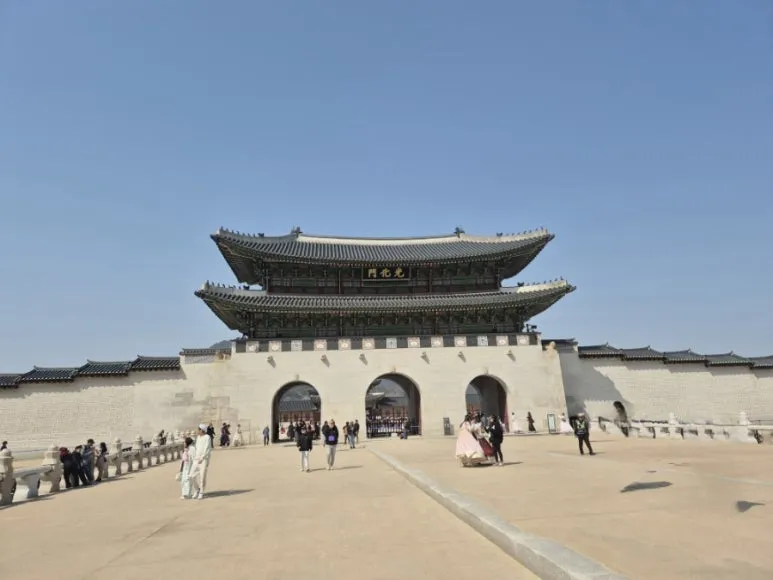
A visit to Gyeongbok Palace in the spring of Seoul offers a charming experience where you can simultaneously enjoy the historical significance of the ancient palace and its beautiful natural surroundings. The free admission for those wearing Hanbok particularly attracts more visitors, and the scenery is even more vibrant during the cherry blossom season. However, for popular restaurants, reservations or arriving early are essential, and some specific areas within Gyeongbok Palace can be crowded, so it’s advisable to keep this in mind when planning your visit.
Travel tips
- Admission to Gyeongbok Palace is free when wearing Hanbok.
- It is convenient to use the east gate of Gyeongbok Palace (inside the entrance to the National Folk Museum).
- Popular nearby restaurants may be difficult to reserve or have long waiting times, so it’s recommended to check in advance or have alternative plans.
Related Areas/Places
Read More from the Original Article
Despite a hangover, the author went on an outing to Seoul with her husband. Although they originally planned to visit the ‘Marron Egg Tart’ shop and see Gyeongbok Palace, they decided to visit Gyeongbok Palace first due to the long queues at the popular Chinese restaurants ‘Doryang’ and ‘Hwangsaengga Kalguksu’. Upon arriving at Gyeongbok Palace, the cherry blossoms were about 20-30% in bloom, and the procession of foreign tourists in Hanbok was impressive.

Within Gyeongbok Palace, they explored various buildings including the National Folk Museum (open for free, scheduled to relocate by 2030), Hyangwonjeong Pavilion, Geoncheonggung Palace, and Jiphyeonjeon. Geoncheonggung Palace is particularly notable as the first place in Korea to have electricity, and the beautiful plum blossoms in full bloom caught the eye. Gyeonghoeru Pavilion, used for banquets and receiving envoys, was admired for its grandeur. The area in front of Geunjeongjeon was crowded with numerous people, but thanks to the spaciousness of Gyeongbok Palace, it felt relatively less crowded.
The author recalled a visit to Jongmyo Shrine last autumn, which made her resolve to visit more palaces near Seoul. This year, she plans to visit Gyeongbok Palace, Deoksugung Palace, and Changgyeonggung Palace. She chose Gyeongbok Palace as her first outing destination under the theme of ‘Spring in Seoul’, feeling a special emotion seeing the changes after several years and renovations. She concludes by recommending a palace outing to enjoy the spring in Seoul if one has the time.